License Plate Camera Installation in Tulsa
Identify the Vehicle, Not a Shape in the Dark
A license plate camera records a readable plate on every vehicle that passes a point you choose, day or night, so you can identify the car and the plate of anyone trespassing or involved in an incident instead of describing a dark sedan. Tulsa Surveillance Technologies installs plate capture cameras at gated communities, businesses, storage facilities, and homes across the Tulsa metro, and we have seen clients cut theft and trespassing with them.
The hardware is specific and so is the placement. A plate camera has a lens, a shutter, and infrared tuned to freeze a reflective plate at speed, and it only works when it is mounted at a shallow angle to the lane at a point where vehicles slow down. That is why the site walk matters more here than anywhere else, and why one well-placed plate camera at an entrance usually beats three ordinary cameras scattered around a lot.
At the Gate
Where Every Vehicle Has to Slow Down
Gates, entrances and exits, drive aisles, and the one chokepoint on the property. Plate capture is paired with an overview camera so you get the plate and the context in one event.
- Readable plates day and night
- Paired with an overview camera
- Searchable by plate on supported platforms
- Tied into gate access control where fitted
Who Uses Plate Capture
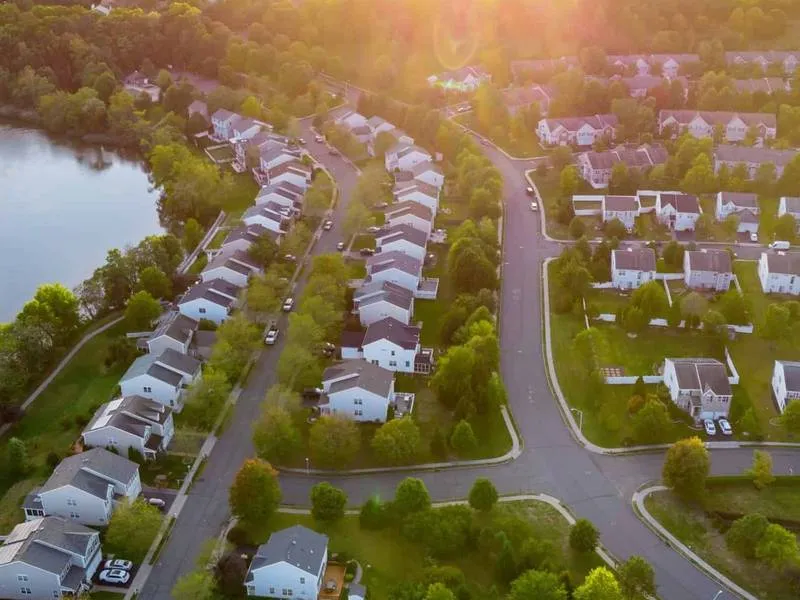
Gated neighborhoods and HOA boards are the most common, because a plate record at the gate answers the question every board gets asked after an incident. Storage facilities use it to tie every vehicle on the lot to a tenant. Businesses with a yard, a lot, or a drive-through use it to resolve disputes and to keep an eye on after-hours traffic. Apartment communities pair it with gate access control so a resident’s plate opens the gate and a stranger’s does not. The gated neighborhoods page and the storage facility page go into those settings.
Installation is the same discipline as any camera job: cable secured and out of harm’s way, the camera tested against real traffic at the real speed, and compatibility with the recorder and software confirmed so plates are searchable rather than buried in hours of video. Plate cameras are quoted on the map like everything else, and the camera installation page explains the rest of the system.
How a Plate Camera Is Different
An ordinary camera is tuned to show a scene. A license plate camera is tuned to freeze a small reflective rectangle on a moving vehicle, which means a longer lens aimed at a narrow lane, a fast shutter so the plate does not blur, and infrared set to light the plate without blowing it out. Mounted at the wrong angle or the wrong height it reads nothing, which is why the walk includes watching real traffic at the real speed through the point we intend to cover.
On the recording side, plate capture is only useful if the plates are searchable. On supported platforms the camera reads the plate and stores it as text alongside the clip, so a board member or a manager searches for a plate and gets every pass in seconds. Where a platform does not support that, the camera still records a readable plate and the overview camera supplies the context, and we tell you on the walk which you are getting.
A plate camera at the gate is paired with gate access control where the property uses credentials: a resident’s plate or fob opens the gate and every other vehicle is recorded on the way in. The access control page covers the gate side and the camera types page covers the housings.
Questions
Plate Camera Questions
Can a regular camera read license plates?
Rarely, and never reliably at night. Plate capture needs a camera with the right lens, shutter, and infrared, mounted at a shallow angle to the lane and aimed at a point where vehicles slow down. That is a specific device in a specific spot, not a setting.
Where do license plate cameras go?
At gates, entrances and exits, drive aisles, and the one chokepoint every vehicle passes. One well-placed plate camera at an entrance usually does more than three ordinary cameras scattered around a lot.
Is plate capture legal in Oklahoma?
Recording vehicles on or entering your own property is legal. How long you keep the data and who you share it with is your policy, and we recommend writing one down; an HOA board in particular should confirm its approach with counsel.
Client Testimonials
What Clients Say About Working With Us
★★★★★
Let’s Walk Your Property
Free site walk, a camera map you keep either way, and a straight answer about what actually needs replacing.